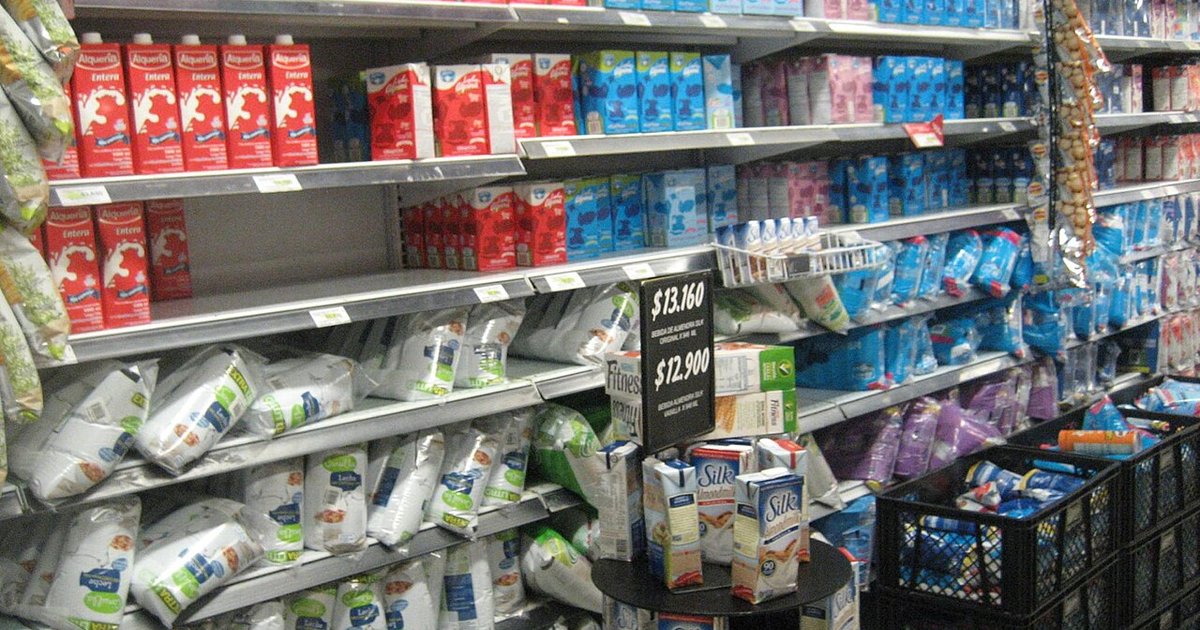
Store brands, once associated mainly with basic staples at a noticeably lower quality, have undergone a significant transformation. Many retailers now invest heavily in the packaging, formulation, and marketing of their private-label products, and shoppers have responded by treating store brands as a legitimate alternative to national names rather than simply a cheaper fallback option.
This shift has been particularly noticeable in categories like packaged food, household cleaning products, and over-the-counter health items, where store brands often use the same manufacturing facilities or similar formulations as their name-brand counterparts, a fact that has become more widely known among price-conscious shoppers.
Periods of higher prices tend to accelerate the shift toward store brands, since the price gap between a name brand and its store-brand equivalent becomes more noticeable to a budget-conscious shopper. Once consumers try a store brand and find the quality acceptable, many continue buying it even after their financial situation improves, having discovered there's little practical difference from the name-brand version for their needs.
Retailers have leaned into this trend by making private-label products a bigger part of their overall strategy, since store brands typically carry higher profit margins than name brands while also building customer loyalty to the retailer itself rather than to an outside manufacturer. For national brands, this has created new competitive pressure, pushing many to emphasize product differentiation, loyalty programs, and marketing that reinforces a sense of quality or trust that a store brand can't easily replicate. As store brands continue to close the perception gap, they look set to remain a permanent and growing part of everyday shopping carts rather than a temporary budget-driven trend.
Understanding the Psychology Behind Impulse Buying in Online Stores Impulse buying...
Read More
Why More Shoppers Are Turning to Store Brands Over Name Brands Store brands, once...
Read More
The Second-Hand Boom: Why Resale Platforms Are Going Mainstream Buying used goods once...
Read More
Sustainable Consumption: How Shoppers Are Rethinking What They Buy Sustainability has...
Read More